A Designer's Review of the Soldier Worm Bluework Embroidery File
As someone who creates embroidered products for customers every day, I’m always evaluating new designs through a practical lens. When I first saw the Soldier Worm Bluework design on Creative Fabrica, my immediate thought was about its application for real projects, not just its visual appeal. This review is based on that perspective—considering it for actual handmade products and commercial embroidery work.
First Impression: A Design with Decorative Character
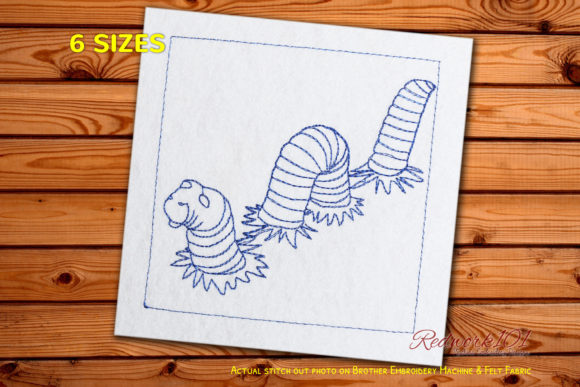
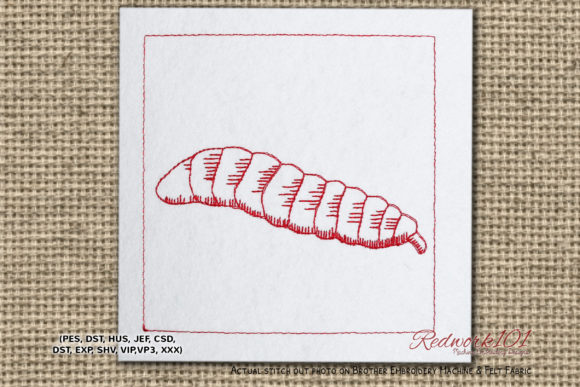
The Soldier Worm Bluework file presents a charming, illustrative style. It falls into that category of designs that feel like a hand-drawn sketch brought to life with thread. The mood is playful yet tidy, making it suitable for a wide range of audiences. The detail level appears balanced; it’s not overly dense, which is a good sign for successful stitching on various fabrics. Its personality leans towards decorative and whimsical, naturally fitting projects like nursery decor, personalized gifts, or casual custom apparel.
For designers and sellers, this kind of design is a versatile asset. It can be the focal point on a simple item or a repeated element across a collection. The “Bluework” aspect suggests a traditional approach, but the subject matter—a friendly bug—makes it modern and approachable. It doesn’t feel overly technical or intimidating to stitch, which is important for consistent results across multiple products.
Practical Performance in Real Embroidery Projects
Thinking about specific applications, the Soldier Worm Bluework design has clear potential. For custom apparel like sweatshirts or t-shirts, its size and style would work well as a chest or sleeve detail. On tote bags and aprons, it would serve as a strong decorative element that catches the eye. For smaller items like caps, careful consideration of the design's dimensions and any potential curved surfaces is needed, as the design’s outline and details need to stitch cleanly on structured fabrics.
For baby items, kitchen towels, or pillow covers, this design adds a handmade touch without being too bold. It’s the kind of motif that elevates a simple product into a giftable item. For Etsy listings, craft fair products, or boutique merchandise, it offers a cohesive look that can build brand consistency if used across a line. It also works well for creating printable mockups to showcase products online before stitching.
Considering Fabric, Detail, and Durability
Any experienced embroiderer knows that a design’s success hinges on its performance on the actual material. For the Soldier Worm Bluework, areas like small details or any potential dense stitch regions should be evaluated on a test scrap first. This is crucial for textured fabrics, stretchy fabrics like jersey, or dark fabrics where thread contrast is vital.
Stitch density is a key factor for products that need frequent washing, like apparel or kitchen linens. A design that is too dense can be stiff and may not wear as well. The description mentions that “The Box Stitch shown in picture is optional,” and that “you can skip the color directly,” which implies some flexibility in the embroidery file. This adaptability is valuable. It allows you to simplify the design for smaller hoop sizes or to reduce stitch count on delicate fabrics, directly affecting the finished product's durability and feel.
How This Design Affects Product Value and Customer Trust
Using a well-executed embroidery file like Soldier Worm Bluework impacts your product’s perceived value. Clean, crisp stitching from a good digital embroidery file enhances handmade presentation and visual appeal. It signals quality to customers, building buyer trust. For a handmade shop owner or apparel decorator, this translates into better product photography, higher customer engagement, and ultimately, better giftability.
A design that stitches reliably means you can confidently fulfill orders without unexpected production issues. This reliability is the backbone of a small creative business. It allows you to focus on customer service and branding rather than troubleshooting embroidery errors.
Essential Steps Before Using This Design Commercially
Before running the Soldier Worm Bluework for a paid order, I would always follow a standard set of practical embroidery notes. First, test it on a scrap of your intended project fabric. Check the thread color contrast against both light and dark fabric backgrounds. Review the stitch density by looking at the sewn sample—does it feel appropriate for the item?
Confirm the required hoop size by checking the actual embroidery file details on the Creative Fabrica product page. Use the proper stabilizer for your fabric type. After stitching, inspect small details carefully. Most importantly, always confirm the file details and the licensing terms on the product page before selling any finished items. This ensures your commercial use is compliant and you understand any specifics about the design’s construction.
Final Thoughts for Creative Fabric Users
The Soldier Worm Bluework embroidery file from the Bugs category appears to be a solid, decorative design with practical versatility. Its illustrative style suits a range of projects from handmade gifts to commercial embroidery products. The optional elements mentioned in the description offer useful flexibility for adapting it to different hoop sizes and fabric types.
For embroidery designers, Etsy sellers, and crafters looking for a reliable design to add to their library, it seems worth considering. Its success will depend, as always, on thorough testing and matching it to the right product. It’s not a overly complex machine embroidery design, which often makes it a safer choice for consistent production. Ultimately, designs like this become valuable when they help you create finished products that look professional and delight your customers, which is the core goal for any creative entrepreneur.