A Practical Review of the Ball Playing Soldier Embroidery Design
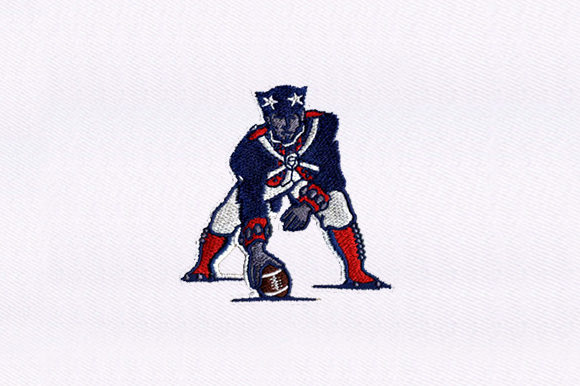
As an embroidery designer, my first question about any new file is whether it holds up under the needle and adds value to a finished product. The Ball Playing Soldier Design from Creative Fabrica immediately presents a charming, narrative-driven visual. It has a playful, vintage-inspired mood, likely tapping into nostalgia or a love for classic toys and sports. The detail level appears moderate, focusing on clean outlines and distinct shapes rather than hyper-realistic texture, which is a smart approach for a design meant to be stitched.
Where This Design Finds Its Home
This isn't a generic sports logo; its personality suggests specific project fits. I envision it working beautifully on gifts for fathers, grandfathers, or sports-loving kids. It would be a standout feature on a tote bag for a little league coach, a unique accent on a baby blanket for a sports-themed nursery, or a charming centerpiece on a kitchen towel or apron in a family home. For Etsy sellers or boutique owners, this design could elevate simple items like pillow covers or sweatshirts, turning them into conversational, themed pieces rather than plain apparel.
The decorative appeal is strong for handmade gifts. It feels personal and story-driven, which often translates to higher perceived value and better customer engagement. In product photography, a well-embroidered soldier on a clean tote bag or cap creates a focal point that tells a story, aiding listings on marketplaces like Etsy or in craft fair displays.
Considering Real-World Stitching Performance
Moving beyond the visual, a design’s practical execution is everything. The provided embroidery file formats list is extensive, covering major machine brands. This compatibility is crucial for professional use. However, the exact stitch count and hoop size are not listed here, so my first practical note is always to check the product page details on Creative Fabrica for those specifics before planning a project.
Based on the artwork style, I would pay close attention to potential dense stitch areas, like a filled ball or uniform, and any tiny lettering if present. On stretchy fabrics like sweatshirts or curved surfaces like caps, proper stabilizer choice becomes paramount to prevent puckering. For dark fabric applications, considering a slightly lighter thread palette for contrast might be necessary, though a test stitch on scrap fabric is the only way to know for sure.
Navigating Small Details and Commercial Use
Layered details, like the soldier's figure against the ball, should be examined in the file preview. Clean separations between elements prevent thread buildup and ensure a crisp finish on items needing frequent washing, like kitchen towels or baby items. This durability directly affects buyer trust—a design that holds up after washes reinforces the quality of your handmade product.
For commercial embroidery or creating patches, the design's clarity and lack of excessively fine details are advantageous. It should stitch out reliably at a moderate size, making it suitable for apparel decorators running multiple units. However, always confirm the licensing terms on the Creative Fabrica product page for commercial use and selling finished items. This is a non-negotiable step for any professional.
Boosting Product Value and Presentation
Incorporating this machine embroidery design into your offerings can enhance brand consistency if you specialize in nostalgic, playful, or sports-themed goods. Its giftability is high—it feels tailored and thoughtful. For a small business owner, a cohesive line of products (totes, pillows, aprons) featuring this same thematic design can create a strong collection for your shop or printable mockups.
The visual appeal hinges on execution. Using high-quality thread and ensuring your test stitch reveals no hidden issues with satin stitch borders or fill stitch areas will make the final product sing. A poorly stitched design, even a good one, undermines your presentation; a clean, precise stitch elevates it.
Essential Steps Before Your First Stitch
- Download the file and inspect it in your embroidery software to see the actual stitch construction.
- Stitch a test on a scrap of the fabric type you intend to use (e.g., cotton for tote bags, fleece for baby blankets).
- Compare thread color choices against both light and dark fabric mockups mentally, then test physically.
- Review stitch density in your software to anticipate areas that might need adjusted tension or stabilizer.
- Confirm the exact, minimum required hoop size from the product details to ensure your project fits.
- Inspect small details after your test stitch—are lines clean, are fills smooth?
- Double-check the Creative Fabrica product page for any usage notes or license confirmation for your intended sellable finished product.
The Ball Playing Soldier Design is a compelling digital embroidery file with clear application in niche gift and decor markets. Its success in your handmade or commercial projects will depend entirely on this preparatory work. It’s not a design I would blindly run onto a customer’s order without testing, but its artistic direction suggests it could become a reliable, valued asset in your design library for the right projects. Approach it with a practical eye, and it could stitch out into something that genuinely delights your customers and strengthens your product line.