An Embroidery Designer’s Take on the Octopus Beach Design
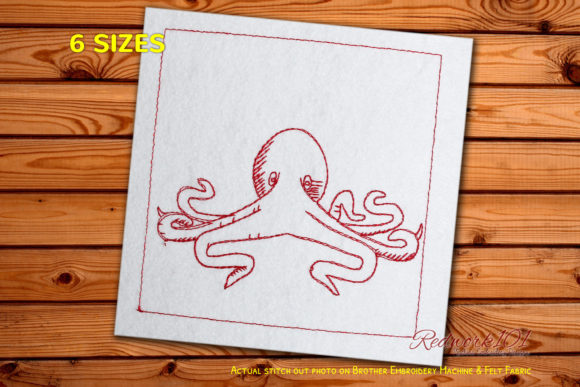
When browsing embroidery files for a new boutique apparel collection, the immediate mood of a design is everything. The Octopus design from Creative Fabrica caught my eye as a piece with a distinct personality. It feels playful and graphic, leaning into a casual, almost nautical vibe that fits perfectly with its Beach category. The detail level is strong – it’s decorative without being overly intricate, which is a great balance for apparel. It doesn’t scream overly feminine or rustic; instead, it feels modern and bold, a trendy choice for a statement piece on sweatshirts or hoodies.
Visual Impact and Placement for Boutique Garments
The first thing I consider is how a design will translate onto a physical garment. For the Octopus, I imagine it on a neutral sweatshirt – a cream, heather gray, or oat-colored backdrop would let those bold lines stand out beautifully. On a pastel hoodie, it would add a fun, unexpected edge. For dark apparel, like a black or navy garment, the contrast would be striking, assuming the thread colors are chosen wisely. This is where the optional box stitch mentioned in the product description becomes interesting. Knowing the outer box is often a different color means you can consciously integrate or skip it to suit your garment’s color palette.
For an online shop preparing a cohesive collection, the Octopus offers versatility. On oversized garments, it can act as a substantial focal point on the chest or back. For t-shirts, it’s bold enough to carry a design without needing additional elements. On denim jackets or tote bags, it lends that handmade, boutique feel that customers seek. For cozy seasonal outfits, it injects a playful, non-season-specific charm that extends a product’s shelf life beyond just one season.
Practical Application in Commercial Embroidery
As an embroidery designer planning actual product runs, the practicalities are paramount. For sweatshirt embroidery, especially on fleece or textured fabric, I’d pay close attention to the stitch density in the Octopus. Areas that look dense in the preview could require careful stabilizer choice to prevent puckering, particularly on stretchy or ribbed fabrics. For hoodie chest placement, the size needs to be right – not too large to overwhelm, not too small to lose its graphic detail. It feels like a great candidate for a central chest logo or a sleeve accent.
For tote bags and lifestyle product photos, this kind of design excels. It’s recognizable and creates strong brand identity. When used across a line of products – sweatshirts, hoodies, tote bags – it builds visual consistency, which boosts professional presentation and buyer trust. For Etsy listings and social media graphics, a well-embroidered Octopus on a garment makes for compelling, engaging product photos. Using it with printable mockups can also help visualize the final product before committing to stitching.
Where Careful Consideration is Needed
Not every design is perfect for every application. With the Octopus, I’d be mindful on very small chest placements, as some details might get lost. If there are areas of particularly dense stitching, they could be challenging on stretchy fabrics or curved surfaces like sleeves. On dark garments, thread color contrast is crucial – you’d want to ensure the main elements pop. And while it’s generally robust, tiny lettering or extremely fine lines (if present) could be problematic on fabrics that may stretch or wrinkle, like lightweight knits.
These considerations directly affect the finished product’s value and your shop’s reputation. A puckered or poorly placed design can undermine customer engagement and professional presentation. Testing on scrap fabric first is always the golden rule.
Essential Designer Notes Before Production
Before running this machine embroidery design on a batch of hoodies for my shop, my checklist would be thorough. First, I’d test the Octopus on a scrap of similar garment fabric – perhaps a piece of sweatshirt fleece. I’d review my stabilizer choice for that specific fabric texture. I’d carefully select thread colors, considering skipping the optional box color if it doesn’t suit my palette, as the description allows. I’d confirm the hoop size needed by checking the Creative Fabrica product details for this specific file, as that information is vital for machine compatibility.
I’d inspect the stitch density in my test piece to ensure it lays flat. I’d compare placement options – chest, back, sleeve – to see which enhances the apparel’s look best. Crucially, I would check all Creative Fabrica product details and licensing for the Octopus embroidery file before selling any finished apparel to ensure my commercial embroidery use is covered. Never assume; always confirm.
Embroidery files like the Octopus are powerful tools for small clothing brands and Etsy sellers. When executed with this level of practical care, they elevate custom apparel, turning a simple sweatshirt into a branded, desirable handmade product. The design becomes part of your shop’s identity, fostering product recognition and customer loyalty. It’s not just about stitching a pattern; it’s about building a cohesive, professional collection that resonates.
For crafters and creative entrepreneurs looking at this Beach-themed design, the Octopus presents a fun and bold option. Its strength lies in its graphic mood and adaptability across various garments and projects. By pairing it with thoughtful execution and thorough testing, it can become a valuable asset in your digital embroidery file library for creating standout boutique merchandise.