Baby Blue Whale: A Design Review for Small Business Merchandise
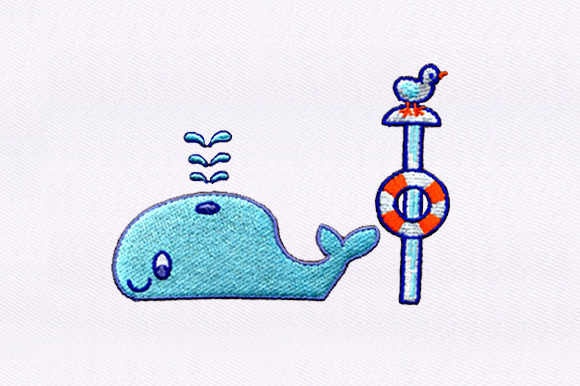
When a design like Baby Blue Whale lands in my studio library, my first question isn't just about its aesthetic appeal—it’s about its commercial viability. As an embroidery designer working with small businesses, I evaluate every file through the lens of real-world application: will this design strengthen a brand, endure on merchandise, and resonate with customers? Let’s review this fish category embroidery file from a strictly professional perspective.
First Impressions: Visual Personality for Brand Identity
The title Baby Blue Whale immediately suggests a friendly, playful character. For a business, this isn’t merely a decorative element; it’s a potential brand ambassador. The imagery conjures feelings of calm, whimsy, and approachability. This makes it an excellent candidate for businesses wanting to project a handmade, premium, and gentle identity. Think of a cozy café, a children’s boutique, a creative studio, or a pet-focused brand—this design offers a visual shorthand for their ethos. Its playful nature doesn’t undermine professionalism; instead, it can create a memorable and engaging point of recognition.
The Practical Business Uses for Your Embroidery File
The true value of a machine embroidery design lies in its versatility across merchandise. With the noted range of embroidery file formats, Baby Blue Whale is technically ready for most commercial machines. Here’s where I see it performing well in real business scenarios.
Embroidered Patches for Product Labels and Merch
An embroidered patch is a fantastic, tangible brand asset. This design could be stitched onto a patch for application to tote bags, aprons, or even as a standalone product like a pin. For a handmade shop or Etsy seller, a patch with this design sewn onto a product bag adds immense perceived value and visual consistency. It signals care and craftsmanship.
Uniform and Apparel Accents
Consider this as a subtle chest logo on staff polo shirts, a sleeve detail on work shirts, or a focal point on aprons for a bakery or florist. On a cap, it could serve as a distinctive front emblem. For a small café, embroidering it onto the corner of napkins or linen towels could create a unique, elegant touch. The key is placement: it should act as an accent, not overwhelm the garment.
Tote Bags and Customer Gift Items
Tote bag design is a prime market. This whimsical whale could become the central mark on a reusable bag sold as boutique merchandise or given as a customer gift. It elevates a simple bag into a branded, desirable item. Similarly, for event merch or a product packaging accent, a small, clean embroidery of this design can transform ordinary items into branded keepsakes.
Where Caution is Needed: Technical Considerations for Production
Not every design is perfect for every application. Before running this digital embroidery file for commercial embroidery, a designer must assess its limitations to ensure a flawless finished product.
- Small Scale Applications: If scaling down for a very small patch (under 2 inches) or a cap front, intricate details may become lost. You must test it at the intended size first on real fabric.
- Fabric and Stabilizer: The success hinges on using proper stabilizer. On textured fabrics like canvas for tote bags or thick cotton for aprons, a sturdy stabilizer is non-negotiable to prevent puckering.
- Thread Color and Contrast: The default “baby blue” suggestion is charming, but on dark uniforms (navy, black), you’ll need high-contrast thread colors—perhaps a white or light grey outline—to ensure visibility. Always test it in black and white first to check the fundamental form and density.
- Stitch Density and Durability: Without specific stitch count data, advise clients to run a test swatch. High stitch density can make a design stiff and less durable for items needing frequent washing, like work shirts. Check the file’s density on a sample.
- Curved Surfaces: Embroidering on curved surfaces like caps requires careful hooping and possibly file adjustment. Confirm the hoop size needed fits your target apparel.
Building Brand Trust and Engagement Through Embroidery
Beyond the stitch, this design impacts business fundamentals. A well-executed Baby Blue Whale on your custom apparel or product does more than decorate; it builds brand identity. It creates a consistent visual thread across your small business merch, making your brand instantly recognizable. This consistency fosters customer trust and professionalism.
For a handmade product business, using embroidery over a printed logo often signals higher quality and attention to detail, increasing product value. On staff uniforms, it promotes team cohesion and presents a unified, professional front to customers. When used on customer-facing items like tote bags, it turns everyday objects into engaging brand touchpoints, encouraging repeat business and loyalty.
Final Designer Notes Before You Begin Production
- Create a Printable Mockup: Before committing to bulk production, create a mockup for client approval. Show how the design looks on the actual item—a cap, apron, or bag.
- Compare Design Assets: Place this embroidery file beside your other brand assets (logos, fonts) to ensure visual harmony. Does Baby Blue Whale complement your overall style?
- Test on Real Fabric: Always stitch a sample on the exact fabric and item you plan to use. Check for thread tension, fabric texture interaction, and color clarity.
- Review Spacing and Hoop Requirements: Inspect the design’s internal spacing in your software. Ensure it will stitch cleanly at your chosen size and that your machine’s hoop can accommodate it.
- Confirm Commercial Licensing: The product description lists file formats, but you must verify the license terms separately. Always confirm that the machine embroidery design is cleared for commercial embroidery use before applying it to merchandise for sale.
In summary, Baby Blue Whale presents a compelling opportunity for businesses seeking a friendly, handmade aesthetic. Its strength lies in its potential to become a beloved brand symbol across patches, apparel, and merchandise. By approaching its application with the technical caution of a professional—testing thoroughly, considering context, and planning for durability—you can transform this playful embroidery file into a powerful asset for your brand’s tangible identity.