Class Cross Design Review for Business Embroidery Projects
A Designer's First Impression: Professional Simplicity
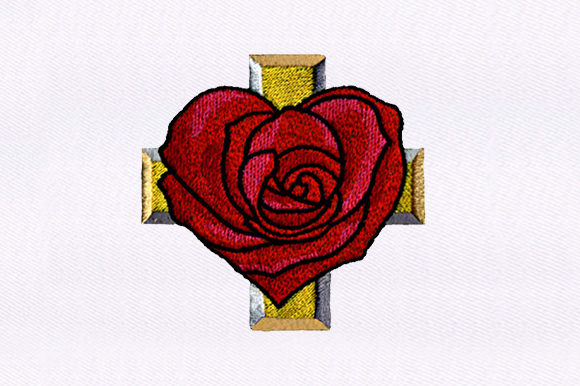
When you're selecting an embroidery design for your brand's merchandise, the first glance tells you a lot. The Class Cross Design presents itself with a straightforward, classic form. In my view, this design leans toward a clean, professional, and timeless aesthetic. For a small business in the Religion category, this isn't about ornate decoration; it's about a recognizable symbol that carries meaning. The design feels dignified and versatile, suitable for a range of applications from a boutique's gift items to a café's staff uniforms. It avoids being overly rustic or overly modern, sitting comfortably in a space that many customers would associate with trust and tradition.
Where This Embroidery Design Excels in Business Use
As an embroidery designer, I evaluate a machine embroidery design by imagining it on actual products. The Class Cross Design has significant potential for branded merchandise. Here are the key applications where I believe it would perform well.
Branded Patches and Product Labels
An embroidered patch featuring this design could become a powerful asset. For a handmade shop, pet brand, or creative studio with a faith-based identity, sewing this patch onto tote bags, aprons, or even product packaging as an accent adds a layer of brand identity and perceived value. It transforms a simple item into a handmade product with a purpose. The design's likely clarity at moderate sizes makes it a strong candidate for a chest logo on custom apparel like polo shirts or work jackets.
Uniforms and Professional Apparel
For businesses like bakeries, florists, or cafés wanting a subtle, professional mark on staff attire, this design works beautifully as a sleeve detail or a small accent on an apron embroidery. It reinforces visual consistency across your team. On a cap, as a cap embroidery front, it offers a clean, recognizable symbol without overwhelming the garment. This contributes directly to customer recognition and your business's overall professionalism.
Tote Bags, Gifts, and Event Merchandise
Imagine a local business hosting a community event. A tote bag design with this embroidery becomes a meaningful customer gift or sale item. For Etsy sellers or craft businesses, it can serve as a core design asset for a line of faith-inspired merchandise. The design's classic nature likely means it pairs well with various fabrics, from canvas bags to softer linens, enhancing the product value through quality commercial embroidery.
Crucial Considerations for Successful Application
Every design has its sweet spots and its limitations. To ensure the Class Cross Design elevates your brand and not causes production headaches, pay attention to these practical points.
Scale and Placement Challenges
The success of any digital embroidery file depends on using it correctly. First, always test this design at the intended final size. If you plan to use it as a very small patch or on a cap front (which has a curved surface), you must check that the details remain clear and the outlines don't become muddy. Tiny lettering, if any is present in the design, can be problematic. I advise clients to test it on real fabric—a sample of the actual shirt, bag, or hat material—before committing to a full production run.
Fabric, Thread, and Durability
Fabric texture and color dramatically affect the outcome. Embroidering this design on dark uniforms requires careful thread color contrast planning. For items like work shirts or aprons that need frequent washing, you must use a robust stabilizer and quality thread to ensure the embroidery withstands wear. A design with high stitch density might be less flexible on thinner fabrics. Consult the provided embroidery file formats—like PES, JEF, DST—for your specific machine to check recommended hoop size and any built-in settings.
How This Design Influences Your Brand Identity
Beyond the stitch, an embroidery design becomes part of your brand's story. Using the Class Cross Design on your merchandise communicates specific values. It can foster customer trust by aligning your products with a recognizable symbol of faith. It adds a layer of sincerity and commitment to your handmade presentation. For a small business, this isn't just decoration; it's a branded product add-on that can deepen buyer engagement with your core audience. The visual consistency it provides across different products—from patches to aprons—helps build a cohesive, professional brand image.
Professional Designer Notes Before You Stitch
Before you load the file and start hooping, here is my standard review checklist for a design like this. Following these steps saves time, money, and ensures a premium finished product.
- Start Simple: Test the embroidery in a single thread color, like black or white, on a neutral fabric. This reveals the true structure and any potential issues with spacing or density.
- Create a Mockup: Use a printable mockup or digital preview to show your client or team how the design will look on the actual garment. This is crucial for approval and avoids misunderstandings.
- Compare Assets: Place the stitched sample beside your other design assets (logos, fonts) to ensure it complements your overall brand aesthetic.
- Verify Licensing: While the product category and type are provided, always confirm commercial licensing details for the embroidery file before using it for business products. The included formats (10O, ART, CND, DSB, DST, DSZ, EXP, HUS, JEF, PCS, PEC, PES, TAP, VIP, VP3, XXX) indicate wide machine compatibility, but the license terms are separate.
- Production Readiness: Check all technical details from the file itself that are not listed here, such as exact stitch count or recommended hoop sizes, to plan your small business merch production efficiently.
In summary, the Class Cross Design offers a clean, professional foundation for faith-based business branding through embroidery. Its strength lies in versatile applications—from patches to uniforms—when applied with careful scale testing and quality materials. By integrating it thoughtfully into your merchandise line, you can enhance your brand's identity, trust, and value in the marketplace.