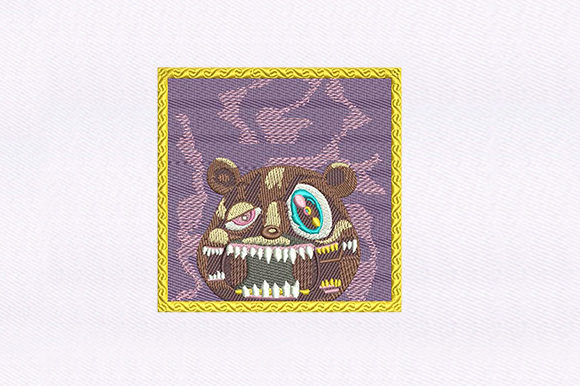
Considering the Demented Teddy Bear for Your Next Project
When a new embroidery design lands in my library, I don't just look at the preview image. I think about its character, its potential, and the very real projects it might inhabit. The Demented Teddy Bear design is one that immediately sparks a practical conversation.
The Immediate Mood & Where It Fits
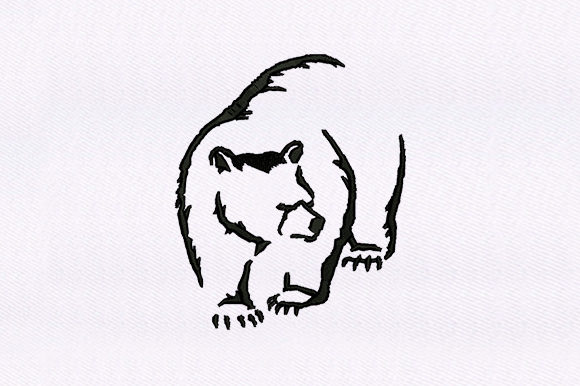
The first impression here isn't of a classic, cuddly teddy. It's playful, subversive, and wonderfully quirky. The personality leans into a vintage horror aesthetic or a charmingly creepy vibe, perfect for a specific audience that loves a touch of the unusual. This isn't a generic nursery design. Its visual personality tells me it belongs on projects for those who appreciate dark humor, alternative decor, or gifts with a surprising twist.
I naturally envision it on a custom sweatshirt for a fan of cult movies, or as a standout feature on a tote bag for someone with eclectic taste. It could transform a simple black apron into a statement piece for a baker with a gothic sensibility. For a boutique selling niche merchandise, this design could be a key differentiator on pillow covers or tea towels aimed at a very engaged community.
Performance in Real-Life Embroidery Scenarios
The true test is in the stitching. Given the provided range of embroidery file formats—including PES, JEF, DST, and others—compatibility across machines is broad, which is excellent for crafters and small businesses using various systems. The design's success, however, depends on thoughtful application.
On sturdy fabrics like canvas for tote bags or mid-weight cotton for sweatshirts, I expect this design to hold its detail well, given a proper stabilizer. The presumably bold outlines and filled areas should create clear, crisp imagery. For patches, it could be phenomenal—the theme lends itself to a collectible, handmade patch that stands out on a jacket or backpack.
Where you need to be careful is on very stretchy or thin fabrics. Any design with significant stitch density can become problematic on lightweight tees or delicate baby clothes (though I'd question the fit for baby items given the theme). On curved surfaces like caps, placement is key; you'd want to hoop the cap carefully to ensure the design’s potentially detailed corners stitch out cleanly without puckering.
A Specific Scenario: The Boutique Holiday Gift
Let’s picture a real case: preparing a small batch of embroidered pillow covers as quirky holiday gifts for a boutique. The Demented Teddy Bear design, stitched in a rich black or deep red thread on a neutral linen cover, creates an instant narrative. It feels personalized, thoughtful, and far from mass-produced. For the recipient who loves something unique, it elevates the gift beyond a standard present. It adds value through its handmade execution and its targeted appeal.
Careful Consideration & Designer Notes
This design’s charm is its distinctiveness, but that also means it requires a bit more planning than a universal floral motif.
- Always test on scrap fabric first. Use the same material and stabilizer you plan for the final project. This reveals how the stitch density behaves and whether small details, like perhaps sharp teeth or specific facial features, remain clear.
- Thread color contrast is paramount. On dark fabric, you might need a bright top thread for impact. On light fabric, a dark thread will define that demented personality. Play with this in your digital mockups before committing.
- Consider the background. This design likely thrives on solid, contrasting backgrounds. Busy or textured fabrics might fight with its shape.
- Hoop size matters. While the exact minimum size isn't specified here, a design with this level of detail generally needs a sufficiently large hoop to maintain integrity. Avoid pushing it into the smallest hoop your machine offers; check the design's dimensions in your software.
- Commercial use requires confirmation. Before selling finished items like embroidered apparel or patches, or using the file in digital product mockups, you must verify the licensing terms. Never assume a design is automatically licensed for commercial resale of finished goods.
The Impact on Your Craft Business
Using a design like this affects more than just the stitchout. For an Etsy seller or small shop owner, it contributes to brand consistency if your shop caters to an alternative or humorous niche. It boosts buyer engagement because it speaks directly to a specific taste, making your product feel more curated.
The handmade presentation gains authenticity when the design choice is intentional and well-executed. A clean, well-stitched Demented Teddy Bear on a high-quality product builds customer trust—it shows you understand your audience and care about the final result. For digital product sellers offering the embroidery file itself, a realistic and honest assessment of its best uses (and cautious scenarios) in your product description will establish your professionalism.
Final Practical Judgment
The Demented Teddy Bear design is a specialized tool in your embroidery toolbox. It won't be for every project or every customer, but for the right project, it’s incredibly effective. Its value lies in its strong mood and clear theme. My advice is to lean into that specificity. Don't try to make it mainstream; instead, place it where its quirky charm will be celebrated. Match it with robust fabrics, thoughtful thread choices, and a clear understanding of who will love it. When you do, it will stitch out not just as a file, but as a characterful, memorable finished product that perfectly serves its purpose.