Water Animal Lineart: A Designer’s Market Readiness Review
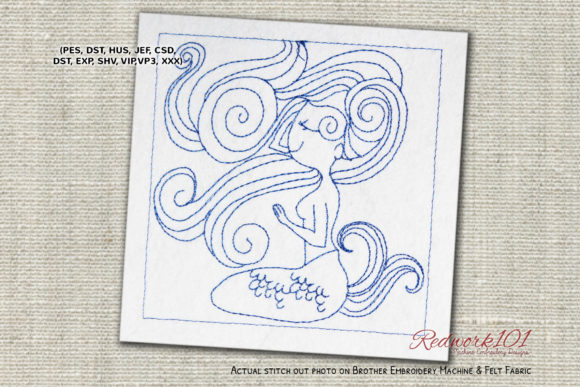
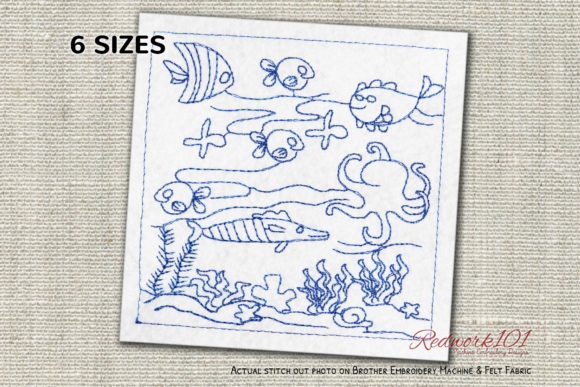
As an embroidery designer preparing for a weekend craft fair, my first task is to evaluate every design from a seller’s perspective. When I look at the Water Animal Lineart Design, my initial impression is one of clean, modern minimalism. This isn’t a fussy, rustic, or overly cute design; it feels decorative and elegant, with a premium softness that could appeal to customers looking for something quietly beautiful rather than loudly bold. The optional box stitch frame mentioned adds a potential decorative element, but the core lineart is the star.
Where This Design Will Shine on Your Booth Table
In a display filled with embroidered tote bags, aprons, tea towels, and pillow covers, the Water Animal Lineart Design will stand out through its simplicity. On a crowded table, designs that are easy to understand at a glance win. This marine mammals theme communicates “coastal,” “natural,” or “peaceful” instantly. It won’t fight for attention with louder patterns; instead, it will draw customers who appreciate subtle, tasteful artistry. I imagine it catching the eye of someone browsing for a giftable handmade item—a tea towel or a small pouch—that feels special but not overwhelming.
Product Performance: From Tote Bags to Pillow Covers
Let’s walk through the practical application on typical craft fair products. For tote bags and market bags, this lineart would work beautifully as a medium-to-large focal design, positioned centrally. Its open, non-dense lines mean good stitch integrity on heavier bag fabrics. As an apron embroidery, it would be excellent on a pocket or the bib area—a charming accent that doesn’t look cluttered. On kitchen towels, especially textured linen or cotton, the design must be tested: lineart can sometimes lose clarity on highly textured surfaces, so a good stabilizer choice is crucial.
For smaller items like embroidered patches or caps, careful consideration is needed. The potential tiny details within the animal lineart might not translate well at very small sizes. On a curved cap surface, simpler elements are safer. Conversely, on pillow covers, this design could be stunning as a repeatable motif or a single, larger artwork, enhancing perceived value. Fabric pouches make another excellent candidate, offering a premium, gift-ready product.
Practical Production for the Handmade Seller
Whether you’re an Etsy seller or a boutique maker producing batches for a fair, practicality dictates success. The Water Animal Lineart Design appears highly repeatable for batch production. There are likely no extremely dense stitch areas to slow down your machine or consume excessive thread. However, the description notes the outer box color can be different—this is a key production point. It means you can easily adapt the design to different fabric colors by skipping that box or changing its thread, increasing your versatility without altering the core embroidery file.
Stitch density seems manageable, but always test the design on scrap fabric first. Use the same fabric type as your final product—a textured towel for tea towels, a sturdy canvas for tote bags. Check thread contrast meticulously. Lineart on dark fabric requires bright, opaque threads to remain visible. Inspect the hoop size requirements; a design that fits a common, smaller hoop is more efficient for items like patches and pouches.
The Critical Details Before You Stitch
Here are my direct notes as a professional, meant for your production checklist:
- Create at least one real mockup. Never rely solely on a printable mockup for your Etsy listing photos. A real photo shows the true texture and handmade quality.
- Review spacing and small details. Zoom in on the digital embroidery file. Are there any micro-lines or intersections that might become blurry stitches?
- Compare fabric colors. Have a range of neutral and colored fabrics ready. This design likely pops on oat, slate, cream, and navy.
- Confirm commercial licensing. Before selling any finished product, ensure your machine embroidery design license permits commercial use on your handmade products.
- Use the right stabilizer. For delicate lineart on stretchy or textured fabrics, a firm, tear-away stabilizer is often essential to prevent puckering and maintain clean lines.
Turning Design into Customer Engagement & Sales
At the fair, your booth display strength relies on cohesion. If you offer a Water Animal Lineart Design across multiple products—a tote, a towel, and a pillow—you create a mini-collection that feels intentional and boosts brand consistency. Customers notice themes. This design, with its marine mammals connection, can attract a specific buyer and make your table memorable.
For online listings and Etsy sellers, photography is key. This design photographs well because it’s uncluttered. Ensure your photos capture the precision of the stitches. Highlight it as a “clean lineart embroidery” or “minimal marine motif” in your titles. This speaks directly to its aesthetic value and differentiates it from more traditional, filled-in embroidery.
Ultimately, the Water Animal Lineart Design represents a versatile, modern asset for craft fair products. Its appeal lies in its adaptability and its quiet elegance. It won’t be your fastest, loudest seller, but it will be the design that cultivates a reputation for quality and thoughtful design, encouraging customers to linger at your booth and see the craftsmanship in your small shop products. It’s a design that, when executed well on the right product, turns a simple tote bag or tea towel into a premium, handmade gift.