A Designer's Eye on Firefighter Boots Lineart
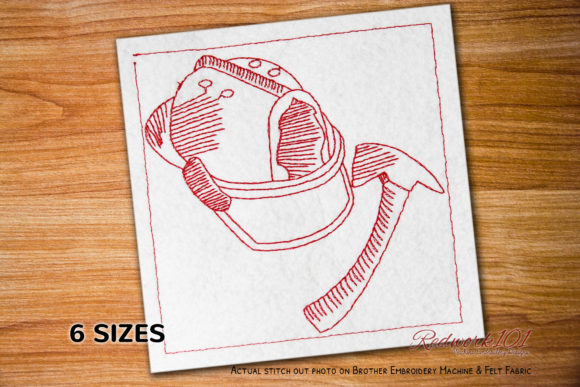
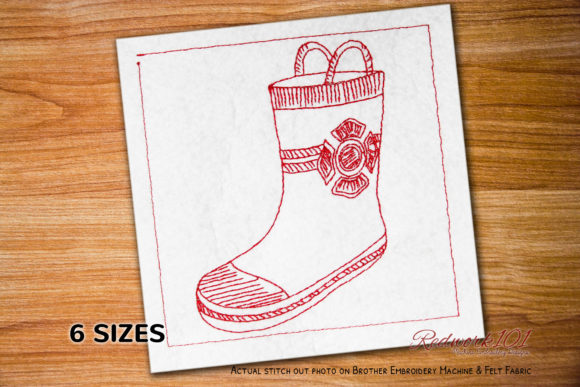
When a new design lands in my library, my first question isn't about the technical specs—it’s about the story it tells. The Firefighter Boots Lineart embroidery design has a personality immediately. It's bold, respectful, and undeniably graphic. The stripped-back, outline approach gives it a modern, almost illustrative feel, which is a welcome departure from overly detailed or cartoonish versions of this theme. This isn't a cute mascot; it’s an emblem. That mood is its strongest asset. It conveys strength, service, and a quiet pride without shouting.
The Perfect Project Match
In my mind, this design isn’t destined for just anywhere. Its clean lines and strong silhouette make it a natural candidate for projects where clarity and impact are key. I'm picturing it stitched onto a heavyweight cotton sweatshirt for a firehouse fundraiser, or centered on a canvas tote bag as a durable, everyday carry. The graphic nature would translate beautifully into a patch—either iron-on or traditionally embroidered—that could adorn a backpack or a work jacket. For a small business or Etsy seller focusing on custom apparel for service professions, this is a versatile asset.
I recently had a scenario that perfectly fits this design: a client wanted a personalized gift for a retiring firefighter. They envisioned a simple, elegant keepsake, not a cluttered piece. A pillow cover or a framed tea towel with this Firefighter Boots Lineart design, stitched in a single, deep navy or classic red thread, would have been an ideal solution. The 'box stitch' border mentioned in the description is optional, and that flexibility is a huge plus. On a dark fabric, skipping that outer color directly keeps the focus purely on the boots, creating a sophisticated, tonal look.
Where It Stitches Up Beautifully
The lineart style is forgiving and adaptable in many real-life embroidery project situations. On custom apparel like t-shirts and hoodies, the lower stitch density typical of outlines means less puckering on stretchy fabrics, provided you use the right stabilizer. For baby clothes or nursery decor, the design offers a more subtle, artistic nod to the profession compared to busy, filled designs. It would look sharp on a cap, though you’d need to carefully consider the curved surface—the long, straight lines of the boot sides might need some digitizing tweaks for perfect placement.
As a digital embroidery file for commercial embroidery or for craft business products, its value is in its versatility. It can be scaled for different hoop sizes without losing too much integrity, as there’s no fine fill detail to become muddy. For printable mockups in your online shop, it creates a clean, professional preview that builds customer trust. The handmade presentation feels intentional and skilled, not overwhelming. This directly affects product value and buyer engagement—a crisp, well-executed lineart design often looks more premium than a densely filled one that hasn’t stitched out perfectly.
Spots That Demand Extra Attention
While adaptable, this design isn’t without its considerations. The areas where caution is needed are precisely where its simplicity could be challenged. On very textured fabrics like thick towels or fleece blankets, fine running stitch lines might get lost. On dark fabric, your thread color contrast is absolutely critical—a mid-tone grey might vanish, so opting for a bright white or a stark metallic thread could be necessary for visual clarity.
If you’re thinking of tiny applications, like on a baby bib or a small corner of an apron, be wary. While lineart can scale down, the specific details—the boot laces, the sole ridges—could become a series of tiny, tight stitches that might bunch up or look unclear. Always test the design on scrap fabric first, especially if venturing into small hoop sizes. Also, inspect those small details in your software preview. Are the lines for the boot tread distinct enough to stitch cleanly, or might they blend into a thicker line? This pre-check saves heartache later.
Building a Brand or a Gift Around It
For creative entrepreneurs, this design offers a solid foundation for brand consistency. If your shop focuses on workwear, hero-themed gifts, or minimalist decor, using this consistent lineart style across products creates a recognizable collection. Its giftability is high, especially for personalization. Adding a name or date below the boots in a complementary script font would be straightforward and hugely effective.
From a commercial perspective, using it for holiday embroidery gifts (think Father’s Day, Christmas for first responders) or as part of a small shop merchandise line is a smart move. The recognition factor is instant, and the professional execution it allows—due to its clean stitching path—means you can confidently batch-produce items like embroidered patches or tote bag designs without fear of frequent thread breaks or bobbin issues from overly dense areas.
The Practical Designer’s Checklist
Before you run this file to your machine, here’s my mental checklist, forged from years of both successes and mishaps:
- Always test on scrap. Use the same fabric and stabilizer combo as your final project.
- Check thread color contrast. View the design in black and white mockups. Does it hold its form? If not, adjust your thread plan.
- Compare light and dark fabric backgrounds. How does it look reversed? You might need two slightly different color palettes for different applications.
- Confirm the optional elements. Decide if the box stitch border serves your project or clutters it. On a dark item, skipping it is likely the better choice.
- Consider the end use. For items needing frequent washing, like apparel, the simpler lineart with fewer stitches is actually more durable and less likely to snag than complex fill areas.
- License and usage. This is paramount. Before selling finished items or using this as a digital product asset, confirm the licensing terms of the embroidery file. Is it for personal and commercial use? Never assume.
The Firefighter Boots Lineart design, from my perspective as someone who turns files into physical products daily, is a reliable, stylish tool. It won’t be the star of every project, but for the right project—where mood, clarity, and a modern handmade aesthetic are the goals—it will perform beautifully. It respects the subject, respects the stitcher’s skill, and, when applied thoughtfully, will deeply resonate with the end customer. That’s the mark of a worthwhile design in my library.