Dream Pilot Bluework: A Designer's Review for Personalization
As an embroidery designer who prepares digital files for real-world stitches, I always test a design by imagining it on a finished product. Today, I’m reviewing Dream Pilot Bluework from the perspective of someone running a personalized gift shop. This means considering how it will look stitched out, who would buy it, and what practical steps ensure a perfect final item. Let’s walk through that process.
The First Impression: Sweetness with a Handmade Heart
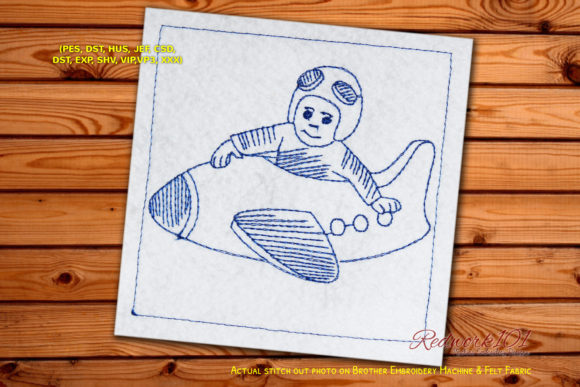
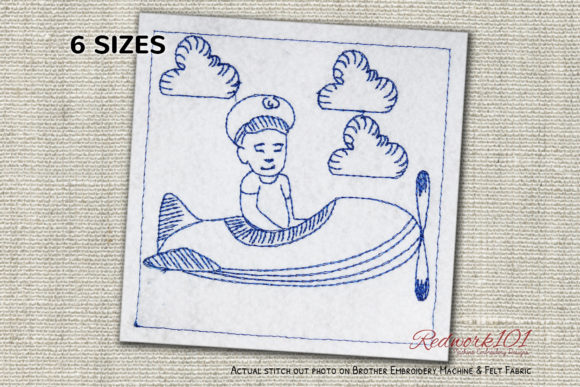
Opening Dream Pilot Bluework, the immediate mood is gentle and classic. The design carries a charming, almost nostalgic quality that feels both sweet and handmade. It doesn’t shout; it whispers with emotional appeal. This subtle elegance makes it incredibly versatile—it’s not overly playful or overtly romantic, but sits beautifully in that timeless space where personalization thrives. The detail level suggests it will have lovely texture when stitched, creating a tactile depth that customers love in keepsake items.
The Perfect Canvas: From Baby Blankets to Wedding Keepsakes
This is where Dream Pilot Bluework truly shines. Its gentle aesthetic opens doors to multiple gift categories. For baby embroidery, it would be stunning on a nursery item, a blanket border, or a delicate pillow cover for a new baby’s room. As a wedding gift, stitched onto a kitchen towel or apron for the new couple, it becomes a meaningful heirloom. Imagine it on a custom tote bag for a bride’s mother—a unique touch far beyond a store-bought item.
For family keepsakes, this machine embroidery design could personalize a pillow cover with a date or name. As a small shop product, it’s ideal for craft fair offerings or Etsy listings for personalized towels and aprons. The design’s scale and style make it a fantastic candidate for custom embroidery previews; clients can visualize it on a mockup before committing. Whether for a baby product creator or a wedding gift designer, Dream Pilot Bluework offers a core aesthetic that can be tailored with color and placement.
A Note on the Optional Box Stitch
The product description mentions that “The Box Stitch shown in picture is optional” and that the outer box color can vary or be skipped. This is a significant feature for personalization. It allows you to adapt the framing to your product’s needs—perhaps skipping it for a more minimalist look on a baby blanket or using a contrasting color on a dark fabric apron. This flexibility increases the embroidery file’s utility across different projects.
Where Careful Application Is Key
While versatile, every design has optimal applications. For Dream Pilot Bluework, consider the substrate carefully. If the design contains very small lettering or delicate details, it might not be suitable for thick towels or highly textured fabric where definition can be lost. Stretchy baby clothes might require extra stabilizer and testing. Embroidering on curved surfaces, like the side of a tote bag, demands careful hooping.
Working on dark fabric requires thoughtful thread color selection for contrast. And for any product destined for frequent washing—like kitchen towels or aprons—stitch density and secure trimming become paramount to longevity. The emotional connection a gift creates is tied directly to its durability.
Amplifying Giftability and Perceived Value
When a customer sees Dream Pilot Bluework beautifully executed on a finished product, its value multiplies. The handmade quality fostered by a well-stitched design builds immediate customer trust. It signals care and craftsmanship. This emotional connection is the core of a successful personalized gift business.
For product photography—so vital for Etsy sellers and small business owners—a clean stitch-out of this design on a lovely fabric provides engaging, professional photos that drive buyer engagement. The perceived value shifts from a simple item to a cherished, custom-made object, directly impacting your shop’s reputation and sales.
Practical Embroidery Notes Before You Stitch
Before running this digital embroidery file on a customer’s order, a professional approach is non-negotiable. Always test on scrap fabric first, using the same material as your final product. This reveals how the design interacts with the fabric texture. Check thread color contrast thoroughly, especially if you plan to alter the optional box color. Confirm hoop size requirements and review stitch density to ensure it’s appropriate for your fabric weight—too dense on a lightweight blanket can cause puckering.
Using the proper stabilizer is crucial for a clean finish. I recommend comparing light and dark fabric mockups, even digitally, to visualize final results. After your test stitch, check small details after stitching to ensure everything is crisp and secure. Finally, a critical step for anyone selling finished products: confirm commercial licensing before selling. The product description doesn’t specify license terms, so you must verify this with the designer or distributor to ensure your commercial embroidery use is covered.
Bringing It All Together for Your Shop
Reviewing Dream Pilot Bluework as a designer, I see a strong, emotionally resonant design with practical flexibility. Its sweet, classic charm makes it a candidate for a wide range of personalized gifts—from baby embroidery to wedding keepsakes. The optional elements allow for customization, which is the heart of our business. By following diligent testing protocols and understanding its best and more challenging applications, you can turn this file into a reliable, high-value product in your lineup. It’s a design that, when stitched with care, tells a customer they are receiving something made with thoughtfulness—the ultimate goal of any handmade product shop.