Stitching Smooth Saxophone: A Designer's Hands-On Review
First Notes: The Personality of This Saxophone Design
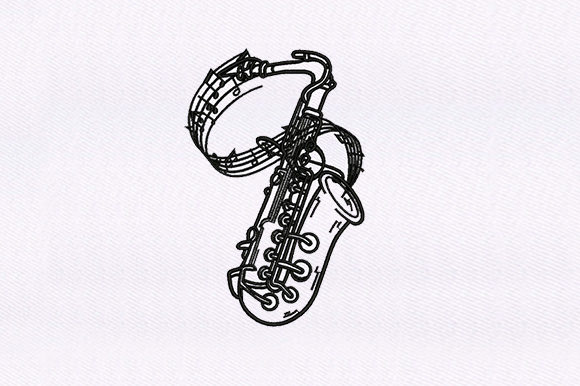
When I loaded this Playing Saxophone Design into my software, my first impression was a wave of cool, creative energy. It's a design with a mood. It doesn't feel stiff or technical; it feels expressive and fluid, like a jazz solo captured in thread. The shape is balanced and recognizable, with a layout that suggests movement. This isn't just an outline of an instrument; it's a design with a visual personality. That personality is what makes it so promising for a real embroidery project. It tells a story of artistry and passion before you even stitch a single satin stitch.
As someone who evaluates designs for client projects and my own small shop products, I immediately thought about where this would shine. It naturally belongs on items for music lovers, creative souls, or as a personalized gift that carries a special meaning. The detail level is thoughtful—it looks detailed enough to be interesting but not so dense that it would become a puffy, stiff mess on lightweight fabrics. That's a crucial balance for a practical embroidery designer.
Where This Design Performs Brilliantly
Let's talk real-life application. I'm picturing a custom embroidered sweatshirt for a band teacher, or a tote bag for a local jazz club’s merchandise. The design's thematic strength makes it perfect for personalized products with a connection to music. For Etsy sellers and craft fair products, this saxophone is a ready-made design asset that can elevate a simple item. A well-stitched version on a high-quality apron or pillow cover instantly increases the perceived value and craftsmanship.
Consider baby clothes or nursery decor for a musical family—it's a sweet, artistic touch that avoids being overly cartoonish. As a holiday gift or wedding gift for a couple who loves music, it feels unique and handmade. For apparel decorators, it's a strong candidate for caps, though you’d need to consider the curved surface carefully. The design's clarity would make it work well as a standalone embroidered patch, too, something a customer could apply to a jacket or backpack themselves.
The Sweet Spot for Commercial & Handmade Appeal
The visual appeal here translates directly to customer trust and engagement. A clean, well-defined saxophone stitch-out looks professional. It signals that you, as the maker, care about the quality of your handmade product. For creative entrepreneurs, using designs with this kind of character supports brand consistency if your shop revolves around arts, culture, or personalized themes. The giftability is high because it’s specific yet universally appreciated as a symbol of creativity. In a printable mockup or a digital product preview, this design would attract buyers looking for something with more soul than a generic graphic.
Careful Considerations: Where to Mind Your Stitches
Every design has its limits, and a smart maker tests those boundaries. With this Playing Saxophone Design, I would be cautious on very small hoop sizes. If the design is inherently large, reducing it too much might compromise the elegance of the curves and any internal details. Textured fabrics like heavy towels or some blanket materials might not show the cleaner lines as beautifully as a smooth cotton or stable tote bag fabric.
Stretchy fabric demands extra attention to stabilizer to keep the shape crisp. On dark fabric, thread color contrast is paramount—you’d likely want a bright, metallic, or white thread to make the saxophone pop. The areas around the instrument's curves and keys, if detailed, are spots where I'd inspect the stitch file closely in my software to ensure there aren't overly tiny jump stitches or awkward corners that could look cluttered when sewn.
For products that need frequent washing, like kitchen towels or baby items, the overall stitch density matters. A design with too much dense fill might become rigid and uncomfortable. I’d test this first on scrap fabric to see how it feels after several washes. Similarly, on layered garments like a hoodie, you need enough stability to prevent puckering.
Practical Designer Notes Before You Hoop
My standard practice, which I recommend to every crafter and small business owner, is to always test a new design on scrap fabric first. Use fabric similar to your final project fabric. For this saxophone, I'd test it on both light and dark fabric backgrounds to see how the thread colors I plan to use really perform. Check the stitch density by feeling the test patch—is it too thick, or is it nice and flexible?
Since this design comes in multiple embroidery file formats like PES, JEF, DST, and others, confirm your machine's compatibility before starting. Always use the proper stabilizer for your base material; it’s the unsung hero of a clean finish. Another pro tip: run a black and white mockup in your software. This helps you see the pure structure of the design, separate from color influence, and spot any potential areas of weakness.
A crucial step for anyone selling finished items or digital products: confirm the licensing terms for this design. Can it be used for commercial embroidery projects? Is there a limit on the number of items you can sell? Never assume. This protects your craft business and maintains professionalism. The design’s categorization under Music and Embroidery is helpful for organization, but the legal terms are what allow you to operate confidently.
The Final Measure: A Design That Plays Well
In my evaluation, the Playing Saxophone Design stands out as a versatile, mood-setting asset for makers. It’s not just a file; it’s a starting point for creating products that resonate with people on a personal level. It encourages you to think about story and connection in your embroidery project. Whether you're stitching it onto a pillow cover for a boutique, a cap for a local event, or a baby blanket as a gift, it brings a layer of artistic meaning.
With practical testing and attention to fabric and stabilization, this design can produce stunning, professional results that enhance your handmade presentation and engage your buyers. It reminds us that in machine embroidery, our choices in design are the first note in a much larger creative composition. This saxophone is ready to play its part beautifully.