A Professional Review of Piano Player Redwork for Business Merchandise
As an embroidery designer who works daily with small businesses, I’m always evaluating digital embroidery files for their practical application on merchandise. Today, I’m reviewing Piano Player Redwork—a music-themed embroidery design—for its potential on branded patches, apparel, and product labels.
First Impression: Classic, Handmade Elegance
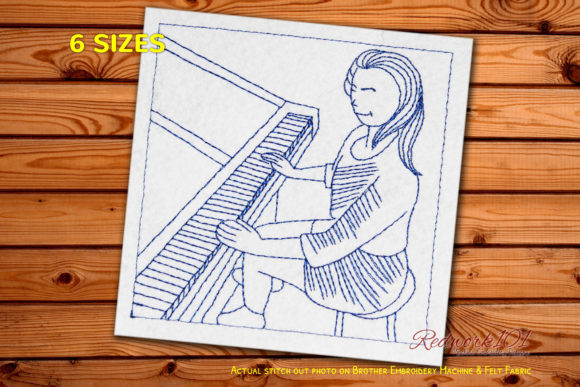
The immediate feeling from Piano Player Redwork is one of classic, handmade elegance. The redwork style suggests a traditional, illustrative quality that feels both premium and friendly. It doesn’t scream corporate; instead, it whispers artistry. This is a significant asset for businesses wanting to project a crafted, personal brand identity. For a music shop, a creative studio, a boutique café with live piano nights, or any brand with a creative heart, this design offers a visual personality that is both professional and warm.
The optional Box Stitch mentioned in the description is a noteworthy feature. In most designs, this outer box is a separate color, allowing you to skip it. This flexibility is crucial for business use. You can choose a clean, standalone piano player for a subtle sleeve detail or apron mark, or incorporate the box for a more defined patch look, perhaps for a uniform chest logo.
Performance in Real-World Business Applications
Let’s translate that first impression into real stitches on real products. How does Piano Player Redwork perform as a small business merch asset?
Embroidered Patches for Product Labels and Uniforms
For creating embroidered patches, this design has strong potential. The illustrative nature of redwork can translate beautifully into a patch that feels like a handmade product label. A florist, bakery, or pet brand could use it as a branded patch sewn onto tote bags or aprons, especially if their brand story connects to music or craftsmanship. The key here will be testing the stitch density and detail at your intended patch size.
Apparel Embroidery: Aprons, Caps, and Work Shirts
On apparel like staff aprons, cap embroidery, or work shirts, Piano Player Redwork can serve as an excellent accent. For a custom apparel line, it could be a unique sleeve detail on a musician’s merch tee. On the curved surface of a cap front, the design’s central focus should hold up well, but you must check the spacing and any fine outlines to ensure they don’t blend or break on the fabric texture.
Tote Bags and Customer Gift Merchandise
Tote bag design is another prime application. This design offers a decorative yet sophisticated mark that elevates a simple bag into a boutique merchandise item or a thoughtful customer gift. Its elegant, non-flashy nature makes it suitable for event merch for quieter, arts-focused gatherings.
Careful Considerations for Commercial Embroidery Projects
Every machine embroidery design has points that require extra attention in commercial embroidery to protect your finished product quality and brand reputation.
Testing at Small Sizes and on Various Fabrics
Before any production, you must test this embroidery file at your intended size, especially if aiming for a small patch. Redwork often uses fine lines; at a tiny scale, these can become too dense or lost. Always test on real fabric—the actual shirt, apron, or bag material you’ll use—with the proper stabilizer. The fabric texture dramatically affects the final look.
Thread Color Contrast and Durability
The description suggests flexibility in color, particularly for the outer box. This is a practical advantage. For dark uniforms or bags, you might need to adjust thread colors for better contrast. Also, consider items that need frequent washing. A well-digitized redwork design with good spacing should be durable, but always run a wash test on a sample.
Integrating into Your Overall Brand Assets
For brand identity and visual consistency, don’t just embroider this file blindly. Create a printable mockup to see how Piano Player Redwork looks beside your logo and other design assets. Does it complement your brand’s style? Does it enhance the handmade presentation and perceived product value? It should feel like a natural part of your brand’s visual story, boosting customer trust and recognition.
Practical Designer Notes Before You Hoop It
Here is my checklist for any business considering Piano Player Redwork for their merchandise.
- Start Simple: Test the design in a single color, like black or white, first. This reveals the core stitch structure without color complexity.
- Confirm Commercial Licensing: The product description doesn’t specify license terms. Always confirm that your digital embroidery file purchase includes a license for commercial use on the products you intend to sell.
- Hoop Size Matters: While specific hoop size isn’t provided, you must match the design size to a hoop your machine can handle comfortably for efficient production.
- Client Approval is Key: If embroidering for a client’s business, always provide a stitched sample or a detailed mockup for approval before bulk production.
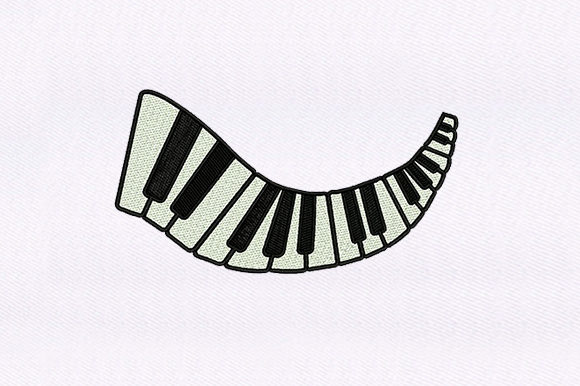
- Evaluate for High-Detail Areas: Look closely at the piano keys and player outlines. On textured fabrics like some tote bags or caps, these details may need slight simplification to remain crisp.
The Final Stitch: Elevating Brand Stories with Artistry
Piano Player Redwork is more than a decorative motif. For the right small business—one that values artistry, heritage, and a personal touch—it can be a powerful tool for buyer engagement. It speaks to a customer who appreciates craftsmanship. Whether it becomes a subtle apron embroidery for a piano teacher’s studio, a cap embroidery for a record shop’s staff, or a tote bag design for a handmade brand’s merchandise, its success hinges on treating it as a serious design asset. Test meticulously, integrate thoughtfully, and let its classic elegance stitch a richer story into your brand’s identity.