Washing Machine Bluework: A Designer's Review for Business Use
When a small business owner asks me to evaluate an embroidery design for their merchandise, I look beyond just aesthetics. I consider how it will function as a brand asset across uniforms, patches, and products. Today, I’m reviewing Washing Machine Bluework, an embroidery file from the House category, specifically for this purpose.
First Impressions: Visual Personality for Your Brand
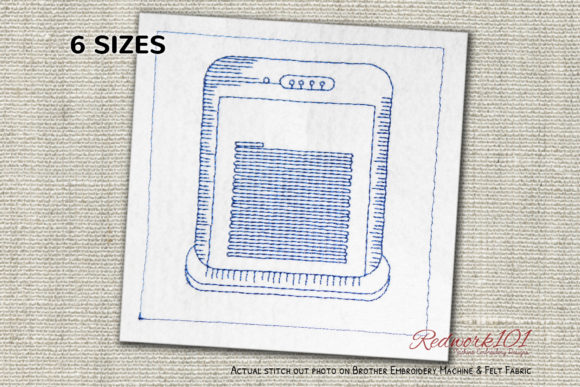
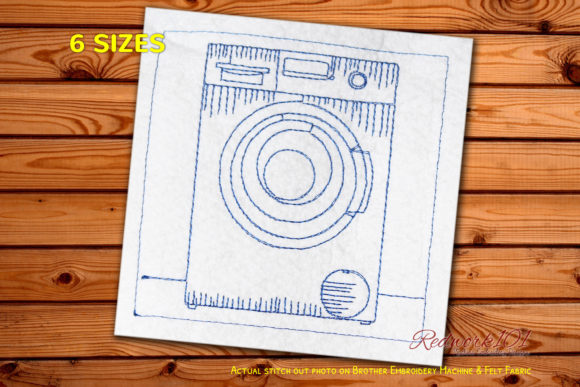
The title Washing Machine Bluework immediately suggests a focused, thematic illustration. This isn't a generic floral motif; it's a specific object rendered in what is likely a classic bluework or outline style. The optional "Box Stitch" mentioned in the description implies a potential border or framing element, a detail that can significantly alter the final look. Without seeing the exact design, the name evokes a feeling of rustic charm, handmade authenticity, and playful nostalgia. For a café, bakery, or creative studio, this could translate into a friendly, approachable brand accent. For a more modern boutique or pet brand, it might read as a clever, decorative element that adds personality without overwhelming the primary logo.
The potential for a different colored outer box, unless it's integral to the design itself, is a crucial flexibility point. This means you can adapt the design’s contrast to match your brand colors or the base fabric. A navy box on a cream apron creates a classic look; a bright yellow box on a dark tote bag makes a bold statement. This adaptability is key for visual consistency across different merchandise items.
Real-World Application: Where This Design Works Best
Let’s walk through concrete scenarios where Washing Machine Bluework could enhance your small business products.
Embroidered Patches and Product Labels
For a handmade shop or Etsy seller, a custom patch can elevate a product. This design, given its likely illustrative nature, could serve as a perfect accent patch on tote bags, aprons, or even as a small label on linen napkins for a café. Its thematic connection to "house" makes it suitable for home goods brands. As a designer, I advise you to test this embroidery file at a small patch size first, perhaps 2 inches square, to ensure the details remain clear and the stitch density isn't too high for a clean finish.
Uniform and Apparel Accents
Consider this as a sleeve detail on staff polo shirts for a laundromat-themed boutique or a chest logo accent on a work shirt for a vintage-inspired home cleaning service. The "bluework" style often means cleaner outlines and lower stitch density, which is excellent for curved surfaces like cap embroidery. On a cap front, a simpler design performs better and withstands wear. Always check thread color contrast for dark uniforms; you might need to swap the suggested colors for a white or light gray thread to ensure visibility.
Tote Bags, Aprons, and Customer Gifts
These are prime canvases for brand recognition. Washing Machine Bluework embroidered on a canvas tote or a chef’s apron becomes a memorable mark. It feels more personal than a printed logo, adding a handmade product value that customers appreciate. For event merch or customer gifts, this unique design can create a stronger emotional connection than a generic text logo.
Points of Caution: Ensuring Professional Results
Every embroidery design has its limits, and a professional review must highlight them.
First, tiny lettering or extremely detailed outlines within the design might not translate well to very small applications, like a 1-inch patch for product packaging. Request a preview or test stitch it.
Second, consider fabric texture. This design might be perfect on a smooth cotton twill for an apron but could lose definition on a textured knit for a sweatshirt. Using the proper stabilizer is non-negotiable here.
Third, for items that need frequent washing, like staff uniforms or kitchen aprons, a design with very high stitch density can feel stiff and may wear differently. The description suggests some flexibility in color application, which is good, but always test on real fabric and wash it several times before full production.
Brand Identity and Customer Perception
Integrating Washing Machine Bluework into your merchandise strategy affects how customers see your brand.
It can enhance professionalism by showing a cohesive, thoughtful application of branding across touchpoints—from the cap your staff wears to the tote bag you sell. It builds customer trust through that consistency. A unique, well-executed embroidered detail on a product suggests care and quality, increasing the perceived value.
For a craft business or handmade brand, using a digital embroidery file like this as one of your design assets supports a visual story. It tells customers you pay attention to the details. It can make your small business merch feel special and limited, driving engagement.
Practical Designer Notes Before You Hoop
Before you run this file for commercial embroidery projects, here is my standard checklist.
- Test in Black and White: Stitch a sample using just black thread on white fabric and white thread on black fabric. This reveals the true form and any potential issues with outline integrity without color distractions.
- Review Spacing: If the design includes internal elements or text, ensure spacing is adequate for the thread to lay cleanly, especially at your intended size.
- Confirm Hoop Size: Match the design’s intended dimensions to a practical hoop size for your merchandise. You don’t want to be forced into a 8" hoop for a small cap design.
- Create a Mockup for Client Approval: Even if you're the business owner, create a printable mockup of the design on a product image (like an apron or tote) to visualize the final product before committing thread and time.
- Compare Beside Other Assets: Place the stitched sample beside your primary logo and other brand elements. Does it complement them? Does it feel like part of the same family?
- Confirm Commercial Licensing: The product description does not specify license terms. It is imperative that you, as a business, confirm commercial licensing before using this embroidery file on products you sell. Assume nothing; verify everything.
Washing Machine Bluework has the potential to be a charming and versatile addition to your branded merchandise toolkit. Its thematic nature and the described color flexibility make it a candidate for thoughtful application on patches, apparel, and handmade products. Approach it with a designer’s mindset: test thoroughly, consider the context, and ensure it ultimately strengthens the story you want your brand to tell.